
In a world full of diet trends and quick fixes, it’s easy to forget the simple truth about nutrition: balance is key. A balanced diet, made up of all the essential food groups, not only helps you maintain a healthy weight but also ensures your body gets the nutrients it needs.
When I focus on balance in my meals, I notice positive changes in my energy levels, mood, and overall well-being. Let’s explore why balance matters and how you can make it part of your everyday life.
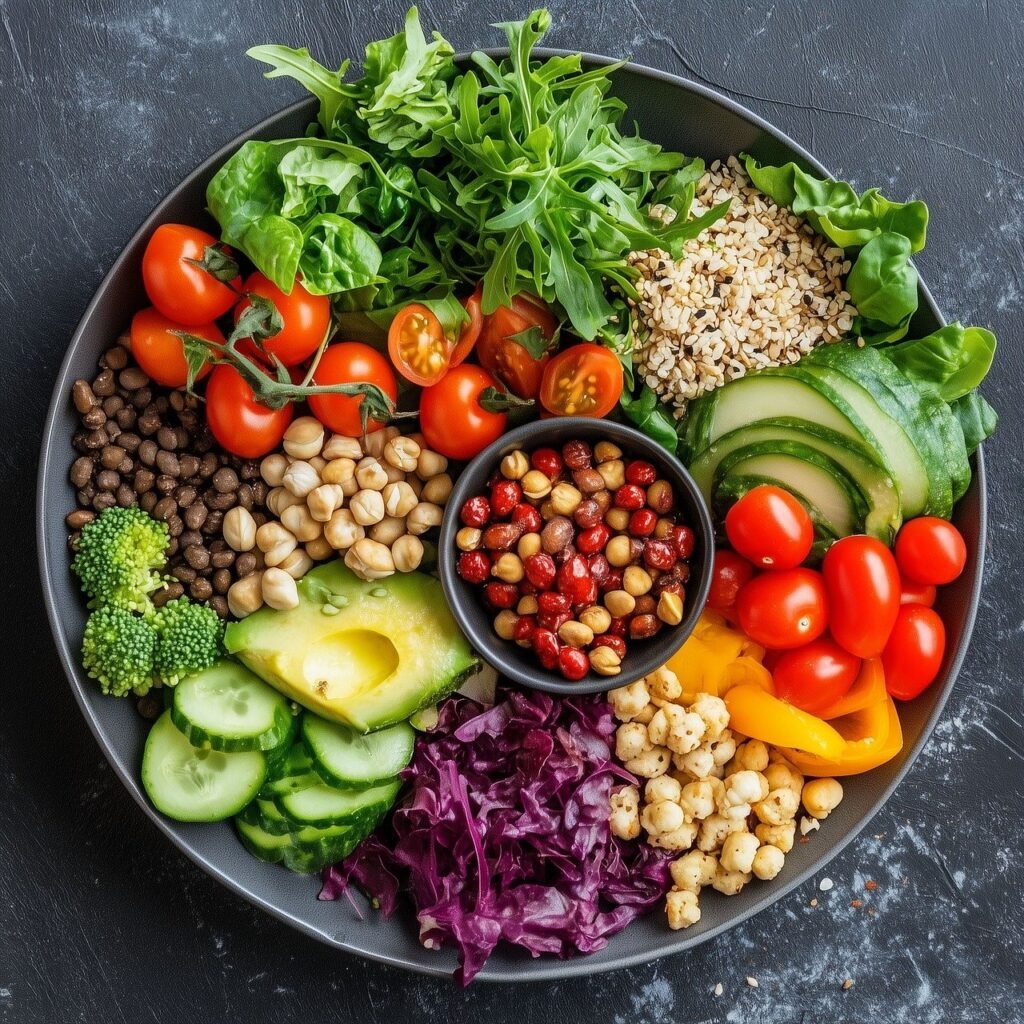
What Is a Balanced Diet?
A balanced diet includes a variety of foods from all the main food groups:
Proteins (meat, fish, eggs, legumes)
Carbohydrates (whole grains, vegetables, fruits)
Fats (avocado, nuts, seeds, olive oil)
Vitamins and Minerals (found in vegetables, fruits, dairy, and fortified foods)
Each of these food groups plays a vital role in keeping our bodies functioning optimally. When we neglect one or over-consume another, it can lead to imbalances that affect everything from our metabolism to mental clarity.
Why Balance Is So Important?

- Supports Energy Levels
Food is our body’s fuel. When we eat a balanced diet, we’re giving our bodies the right combination of nutrients to produce energy efficiently. Complex carbohydrates, like whole grains, paired with lean proteins and healthy fats, provide long-lasting energy throughout the day, helping us avoid the dreaded mid-afternoon crash. - Promotes Healthy Digestion
Eating a variety of fibre-rich foods, like fruits, vegetables, and whole grains, helps maintain a healthy digestive system. Fibre keeps things moving smoothly and also feeds the healthy bacteria in our gut, which plays a crucial role in overall health. - Improves Mental Clarity and Mood
The brain needs a steady supply of glucose (sugar from carbohydrates) to function properly, but the key is choosing the right carbs. Whole grains and fruits provide a slow and steady release of glucose, while processed foods lead to spikes and crashes in blood sugar. A balanced diet that includes healthy fats like omega-3s (found in fish, walnuts, and flaxseeds) can also support brain health and improve mood.
How to Create Balanced Meals?
Creating balanced meals doesn’t have to be complicated. Here’s how I structure my plate:
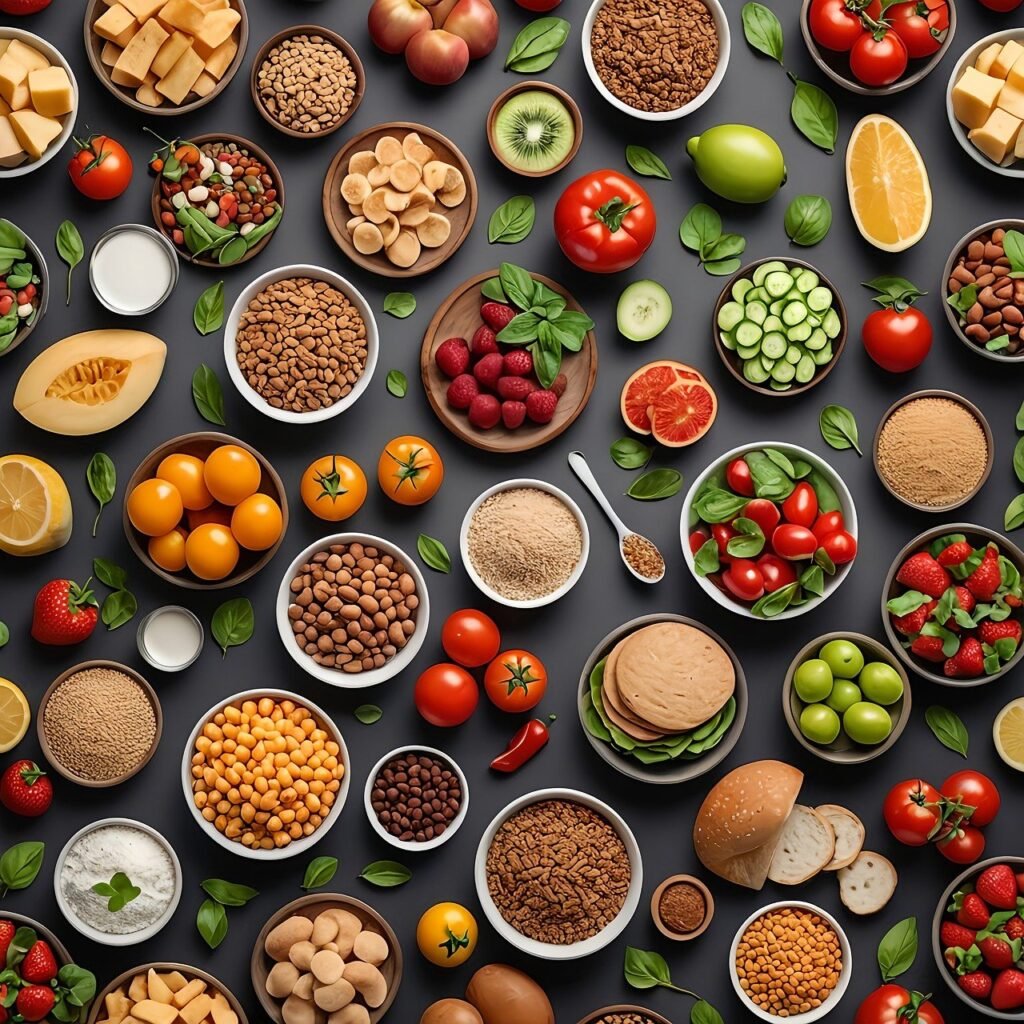
Fill half your plate with colourful vegetables and fruits:
These provide essential vitamins, minerals, and fibre. I aim to include a variety of colours to get a wide range of nutrients. Think leafy greens, carrots, tomatoes, berries, and citrus fruits.

Include lean protein sources:
I rotate between plant-based proteins like beans, lentils, and tofu, and animal-based options like chicken, fish, and eggs. Protein helps with muscle repair and keeps you full for longer.

Incorporate whole grains or starchy vegetables:
Quinoa, brown rice, sweet potatoes, and whole grain bread are my go-tos. These provide complex carbohydrates, which give you lasting energy and help stabilize blood sugar levels.
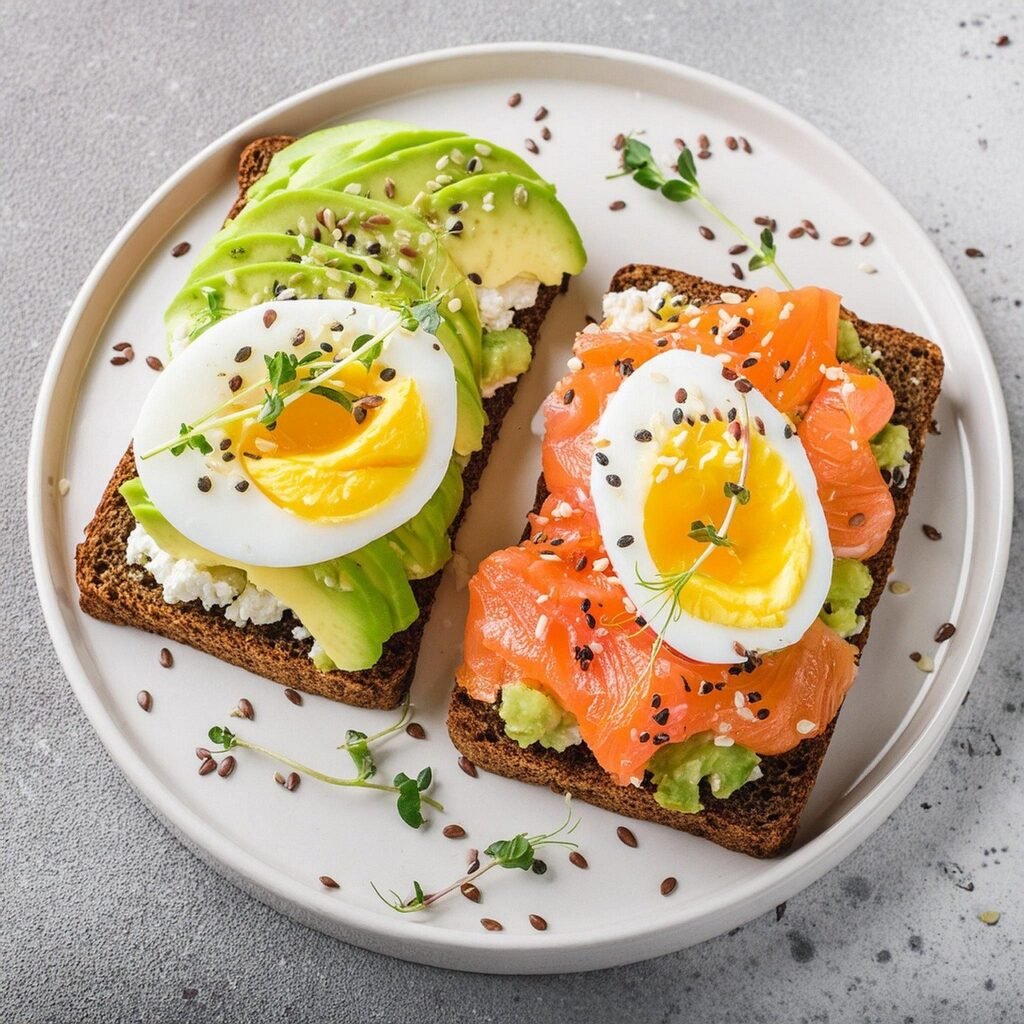
Add healthy fats:
I love adding avocado, nuts, seeds, or olive oil to my meals. Fats are essential for brain health and hormone production and help your body absorb fat-soluble vitamins (A, D, E, and K).
Tips to Achieve a Balanced Diet:
- Practice Portion Control
Even with healthy foods, portion control matters. A balanced diet is not just about eating the right foods but also eating them in the right amounts. Be mindful of portion sizes, especially when it comes to calorie-dense foods like nuts, oils, and avocados. - Don’t Demonize Any Food
Allow yourself to enjoy treats in moderation. Denying yourself certain foods can lead to bingeing later. Instead, aim for an 80/20 approach—80% of the time, focus on balanced, nutrient-dense meals, and 20% of the time, enjoy the foods you love without guilt. - Plan Ahead
I find that meal planning helps me stay on track. Prepping ingredients like roasted vegetables, quinoa, and grilled chicken makes it easy to throw together balanced meals during busy weeks. - Listen to Your Body
Your body knows best! Pay attention to hunger and fullness cues, and don’t ignore them. Eat when you’re hungry and stop when you’re satisfied, not stuffed.
Final Thoughts
A balanced diet is the foundation of a healthy lifestyle. By including a variety of nutrient-rich foods in the right proportions, you’ll feel more energized, focused, and satisfied. Remember, it’s not about perfection but about making small, sustainable changes that add up over time 🍎🥦
I hope this inspires you to take a balanced approach to your nutrition. Whether you’re just starting your health journey or looking to fine-tune your routine, balance is the key to long-lasting results and a happier, healthier you.